
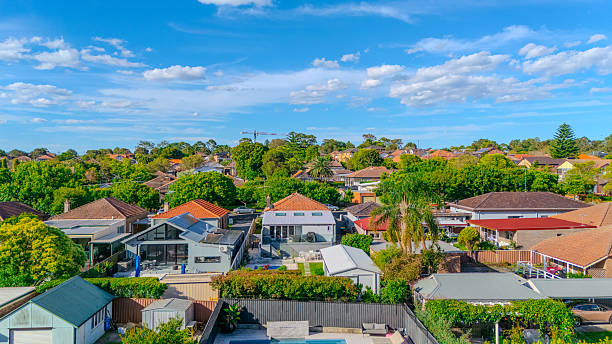
Traditional and modern landscaping offer two different approaches to designing an outdoor space. Traditional landscaping usually focuses on formal layouts, established planting, garden beds and classic features. Modern landscaping places more emphasis on clean lines, practical layouts, simple planting and functional outdoor areas.
For Sydney homeowners, the right choice depends on the home’s architecture, block size, outdoor space and lifestyle. The local climate should also influence plant selection, irrigation and garden maintenance requirements. A suitable design should look right for the property while remaining practical to maintain.
Professional landscape design can help bring these requirements together before construction begins. The design process can account for planting, paving, retaining walls, drainage, outdoor living areas and ongoing maintenance. For homeowners in Western Sydney, a landscaping service Marsden Park can provide design, implementation and garden maintenance services based on the needs of the property.
What Is Traditional Landscaping?
Traditional landscaping uses structured layouts and established garden elements to create a formal outdoor environment. The design often includes defined garden beds, ornamental plants, hedges, trees and classic paving.
The style can provide a strong connection between the house and garden, particularly where the property has traditional architectural features. It can also suit homeowners who enjoy detailed gardens and are prepared to undertake regular maintenance.
Key Features of Traditional Landscaping
Traditional landscapes commonly use formal garden layouts with clear boundaries between lawns, garden beds, pathways and outdoor areas. Symmetrical planting arrangements can create balance across the garden.
Established trees, hedges and ornamental plants are also common. Classic paving, garden edging and feature gardens can provide structure and define different sections of the property.
Because traditional gardens can contain more plants and detailed garden areas, regular pruning, watering, fertilising and general maintenance may be required.
What Types of Homes Suit Traditional Landscaping?
Traditional landscaping can complement heritage-style properties, Federation homes and character houses. The formal nature of the garden can support existing architectural details rather than competing with them.
It can also suit properties with larger gardens where there is enough space for established trees, hedges, lawns and formal planting areas. The design should still be scaled according to the available space and maintenance requirements.
What Is Modern Landscaping?
Modern landscaping focuses on simplicity, functionality and defined outdoor spaces. It commonly uses clean lines, contemporary materials and controlled planting to create an organised appearance.
The design can also make outdoor areas easier to use. Paving, entertaining areas, garden beds, retaining walls, lighting and other features can be planned around how the household uses the property.
Key Features of Modern Landscaping
Clean and defined lines are a key part of modern landscape design. Paving and garden edging can create strong boundaries, while simple planting can keep the garden visually organised.
Modern landscaping may also include contemporary paving, retaining walls, outdoor entertaining areas, integrated lighting and feature elements. Drought-tolerant plants and smart irrigation can be incorporated where lower water use and easier maintenance are priorities.
What Types of Homes Suit Modern Landscaping?
Modern landscaping generally works well with contemporary homes and new builds. The simple lines and functional layout can complement modern architectural features.
It can also be suitable for townhouses, compact blocks and properties where outdoor space needs to perform several functions. A well-planned design can combine planting, seating, pathways and entertaining areas without making the space feel crowded.
Traditional vs Modern Landscaping: What Is the Difference?
The main difference between traditional and modern landscaping is how the garden is structured and used. Traditional designs tend to use formal planting and established garden features, while modern designs generally use simpler planting and stronger hardscape elements.
Both styles can be adapted to Sydney properties. The decision should be based on the home, block, lifestyle and maintenance expectations rather than appearance alone.
Design and Layout
Traditional landscaping often uses symmetrical layouts, formal garden beds and clearly defined planting areas. Repetition and balance are important elements of the design.
Modern landscaping usually uses streamlined layouts and geometric forms. The design may focus on open space, clean transitions and clearly defined outdoor zones.
Plant Selection and Garden Maintenance
Traditional gardens can contain a greater variety of plants, shrubs, hedges and feature trees. These plants can create a layered appearance but may require regular pruning and care.
Modern landscapes often use fewer plant varieties and more controlled planting arrangements. Australian native and drought-tolerant plants can help reduce watering requirements when they are selected for suitable site conditions.
Maintenance should still be considered from the beginning. Lawn care, pruning, irrigation, fertilising and seasonal planting can all affect the amount of ongoing work required.
Hardscaping and Outdoor Features
Hardscaping is important in both traditional and modern landscapes. Traditional designs may use classic paving, formal garden edging and decorative features.
Modern designs can make greater use of contemporary paving, retaining walls, pathways and defined entertaining areas. Water features, lighting and other elements can be added where they support the overall design.
Which Landscaping Style Works Best for Sydney Homes?
There is no single landscaping style that suits every Sydney property. The right option depends on the home’s architecture, available space, outdoor requirements and preferred maintenance level.
Sydney’s climate should also be considered when selecting plants and planning irrigation. A landscape that is designed for local conditions can be easier to maintain and more suitable for long-term use.
Consider Your Home’s Architectural Style
The garden should complement the house rather than appear separate from it. Traditional homes may benefit from formal planting, hedges and classic garden features.
Contemporary homes can suit clean paving, structured planting and simple outdoor zones. Using compatible materials and planting forms can create a consistent connection between the building and garden.
Consider the Size and Layout of Your Block
Large backyards can accommodate larger garden beds, trees, lawns and outdoor entertaining areas. Smaller properties require careful planning to make the best use of available space.
Narrow blocks may benefit from simple planting and clearly defined pathways. Courtyards can use compact plants and hardscaping, while sloping properties may require retaining walls, drainage solutions and changes in levels.
Consider How You Use Your Outdoor Space
Consider whether the garden will mainly be used for entertaining, family activities, relaxation or gardening. The answer will influence the amount of lawn, planting, paving and seating required.
Homeowners who prefer low-maintenance living may benefit from drought-tolerant planting, smart irrigation and practical hardscaping. Those who enjoy gardening may prefer larger planting areas and more varied garden beds.
Can You Combine Traditional and Modern Landscaping Styles?
Traditional and modern elements can be combined when they are planned as part of one landscape design. The aim is to create a consistent outdoor space rather than placing unrelated features together.
A combination can work particularly well when the homeowner wants the character of traditional planting with the practicality of modern construction materials and outdoor zones.
Blending Classic Planting With Contemporary Hardscaping
Classic planting can be combined with modern paving, retaining walls and garden edging. Established trees and ornamental plants can soften clean hardscape lines.
The proportions of each element should be considered carefully so one style does not overpower the other.
Using Materials to Connect Different Design Styles
Using a consistent selection of materials can connect traditional and modern features. Paving, retaining walls, garden edging and pathways should work together in terms of colour, texture and scale.
The same approach can be applied to planting. Repeating selected plants or plant forms throughout the garden can create continuity.
Creating a Cohesive Overall Landscape Design
A cohesive design should have a clear layout and defined purpose for each outdoor area. Planting, paving, access and entertaining spaces should be considered together.
Professional planning can help determine which traditional and modern elements work together before construction begins.
Why Professional Landscape Design Matters
Landscape design should be completed before construction so the requirements of the property can be properly assessed. This includes the layout, planting, hardscaping, access, drainage and maintenance requirements.
The website’s landscaping process follows consultation and quoting with detailed design and planning before construction. This approach allows the design to consider the client’s budget, functionality, aesthetics and Sydney’s climate.
Turning Design Ideas Into a Practical Plan
A landscape plan can establish the position of garden beds, paving, retaining walls, lawns, pathways and outdoor areas. It can also identify potential access and drainage requirements before work starts.
This helps ensure that construction follows a clear plan instead of relying on changes during the project.
Selecting Suitable Plants and Materials
Plant selection should consider sunlight, soil, water requirements and expected growth. Drought-tolerant Australian native plants can be useful for Sydney gardens where low maintenance and reduced water use are priorities.
Materials should also be selected according to how the space will be used. Paving, retaining walls, fencing, decking and other structures need to provide both durability and practical value.
Planning for Long-Term Landscape Performance
A landscape should be designed for its future maintenance requirements. Plants need sufficient space to grow, while paving, retaining structures and garden areas should remain accessible for cleaning and upkeep.
Planning irrigation and suitable plant selection from the beginning can also help reduce ongoing maintenance requirements.
Choosing a Landscape Construction Company in Sydney
Choosing the right landscaping company Sydney homeowners can rely on is important when a project involves both design and construction. Experience, licensing, insurance, workmanship and communication should all be considered.
A suitable contractor should be able to explain the proposed work, provide clear pricing and manage the practical requirements of the project. The company should also understand how local climate and site conditions can affect landscaping.
For more information about the team’s experience, licensing, service approach and commitment to customers, visit the About Us page. The company states that it is fully licensed, uses trained professionals and provides upfront pricing.
What Experience Should You Look For?
Look for experience across landscape design, garden construction and hardscaping. Depending on the project, this may include paving, retaining walls, fencing, decking, pergolas, garden construction and site preparation.
Experience with Sydney properties is also useful because soil conditions, climate and block layouts can vary across different suburbs.
Why Design and Construction Experience Matters
A design needs to be practical to build. A contractor with experience in both design and construction can consider materials, levels, access, drainage and construction requirements during the planning stage.
This can make the transition from design to construction more straightforward and reduce unnecessary changes.
Questions to Ask Before Hiring a Landscaping Company
Ask whether the company is licensed and insured, what services are included, how the project will be planned and what materials will be used. You should also ask how pricing is calculated and whether the quotation includes site preparation and construction.
It is useful to confirm the expected timeframe and understand what maintenance may be required after the project is completed.
What to Consider Before Starting Landscape Construction in Sydney
Before starting landscape construction Sydney, homeowners should establish the scope of work, budget and priorities. The construction stage may involve site preparation, paving, retaining walls, planting, fencing, decking, drainage or other outdoor improvements.
Planning these requirements beforehand can help keep the project organised. A clear design and upfront quotation can also make it easier to understand the work involved.
Set Your Landscaping Priorities
Identify the main purpose of the landscape before selecting individual features. This may include creating an entertaining area, improving garden appearance, increasing privacy, making the property easier to maintain or improving outdoor access.
Once the priorities are established, features can be selected according to their practical value rather than added unnecessarily.
Establish a Realistic Budget
The budget should account for design, preparation, materials, plants and construction. The size and condition of the site can also influence the overall cost.
A detailed quotation should clearly explain the proposed work and associated costs. The website promotes transparent, upfront pricing and budget-conscious landscaping solutions.
Plan for Maintenance and Future Growth
Maintenance should be considered before construction. Lawn areas, garden beds, trees and shrubs all have different care requirements.
Allowing sufficient space for plant growth and planning irrigation can help keep the garden manageable as it develops. Low-maintenance planting can also reduce ongoing watering and pruning requirements.
FAQs About Traditional and Modern Landscaping
Is traditional or modern landscaping better for Sydney homes?
Neither style is automatically better. Traditional landscaping can suit character homes and larger gardens, while modern landscaping can suit contemporary homes, compact blocks and functional outdoor areas. The property and homeowner’s requirements should determine the design.
Is modern landscaping easier to maintain than traditional landscaping?
Modern landscaping can be easier to maintain when it uses simple planting, drought-tolerant plants, efficient irrigation and practical hardscaping. However, maintenance depends on the complete design rather than whether it is traditional or modern.
Can traditional and modern landscaping styles be combined?
Yes. Traditional planting can be combined with modern paving, retaining walls, garden edging and outdoor entertaining areas. Consistent materials, planting and proportions are important for creating a cohesive result.
How much does landscape design and construction cost in Sydney?
Costs vary according to the size of the property, site conditions, design complexity, materials, planting and construction requirements. A site assessment and detailed quotation are the most reliable way to determine the cost of a specific project.
How do I choose the right landscaping company in Sydney?
Check the company’s experience, licensing, insurance, services and pricing approach. Ask about the design process, construction work, timeframe, materials and maintenance requirements. A clear quotation and professional communication should also be part of the decision.
Conclusion
Traditional and modern landscaping can both work well for Sydney homes when the design is matched to the property. Traditional landscaping provides formal layouts, established planting and classic garden features, while modern landscaping focuses on clean lines, practical spaces and simpler planting.
The best approach should consider the home’s architecture, block size, outdoor use, Sydney’s climate and the preferred level of maintenance. Combining elements from both styles is also possible when the materials, planting and layout are planned together.
Professional landscape design can help establish a practical plan before construction begins. It allows planting, paving, retaining walls, outdoor areas, access and maintenance requirements to be considered as part of the same project.
If you are planning a landscaping project and want to discuss your requirements, you can contact the team to arrange a consultation and request a quote.

