
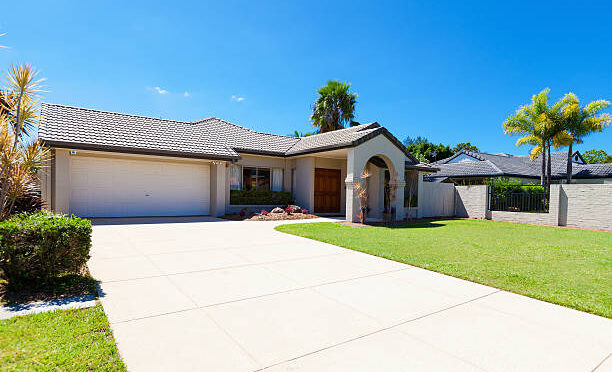
Choosing the right concrete driveway colour can make a noticeable difference to the overall appearance of your property. A driveway is one of the most visible parts of a home’s exterior, so its colour should work naturally with the facade, roof, fencing, garage door, landscaping and other outdoor features. The right shade can create visual balance while helping the entrance of your property look clean, coordinated and well planned.
Concrete driveways also provide an opportunity to combine practical functionality with an attractive exterior finish. Colour can be incorporated alongside different textures, patterns and decorative treatments to create a driveway that suits the character of the property. However, choosing a colour should not be based only on current design preferences. The existing exterior palette, surrounding landscape, driveway size and long-term maintenance requirements should all be considered.
For homeowners planning a new driveway in the local area, exploring options for a concrete driveway Marsden Park can be a useful starting point when considering design, colour and construction requirements.
Why Does Concrete Driveway Colour Matter?
Driveway colour contributes to the visual connection between your home and its front outdoor space. Since the driveway occupies a significant area, an unsuitable shade can compete with the facade, while a carefully selected colour can help different exterior elements appear more connected.
Colour can also affect how prominent the driveway looks. Lighter tones can create an open and understated appearance, while darker colours can provide stronger definition. The best choice depends on the property’s existing colours and the overall appearance you want to achieve.
Create a Cohesive Exterior
A cohesive exterior does not require every feature to have the same colour. Instead, the different surfaces should complement one another. A driveway can pick up subtle tones from the facade, roof, fencing or landscaping without directly matching any single feature.
Neutral driveway colours are often versatile because they can work alongside a variety of materials. The important consideration is whether the selected shade contributes to an organised overall colour palette.
Complement Your Home’s Architectural Style
The architectural style of your home should also influence your choice. Modern homes may suit contemporary grey or charcoal tones, while properties with traditional brickwork and natural materials may work well with warmer neutral colours.
The driveway should support the character of the property rather than becoming the dominant visual feature. Considering the home as a complete exterior can make colour selection easier.
Improve Overall Kerb Appeal
A well-selected driveway can contribute to a property’s kerb appeal by creating a more finished appearance at the front of the home. Colour, texture and surrounding landscaping can work together to make the entrance look intentional.
Because the driveway is exposed to everyday use and outdoor conditions, its appearance should also be considered from a long-term perspective.
What Factors Should You Consider When Choosing a Driveway Colour?
Before selecting a concrete colour, look at the existing colours and materials around the property. The facade is an important starting point, but it should be assessed alongside the roof, garage door, windows, fencing and landscaping.
It is also worth considering the size of the driveway and how visible it is from the street. A large driveway may have a stronger visual impact, making a balanced neutral shade more suitable than an overly dominant colour.
Your Home’s Facade Colour
The facade provides one of the strongest visual cues when choosing a driveway colour. Brick, render, stone and painted surfaces each have different tones and textures.
Red and brown brick can work with warm neutrals, earthy colours and selected grey shades. White or light-coloured render offers greater flexibility and can be paired with soft grey, beige or charcoal. Stone facades can be complemented by shades that reflect subtle colours found within the stone itself.
For painted surfaces, consider whether you want the driveway to blend with the wall colour or create a controlled contrast.
Your Roof and Exterior Features
The roof, gutters, garage doors, window frames and fencing can influence the overall colour scheme. Dark roofing and garage doors may work well with either coordinated dark tones or lighter contrasting driveway colours.
These features should not be assessed separately. Consider how all the exterior elements appear together before selecting the final driveway shade.
Your Existing Landscaping
Landscaping can significantly influence how driveway colours are perceived. Garden beds, paving, retaining walls and plants introduce additional colours and textures around the driveway.
A neutral concrete colour can provide a calm background for greenery and landscaping features. If the front garden already contains several strong colours, a simpler driveway shade may create better visual balance.
Popular Concrete Driveway Colour Options
Concrete driveway colours range from subtle neutral shades to stronger decorative tones. The most suitable option depends on the style of your home and the surrounding exterior materials.
Light and Neutral Concrete Colours
Soft grey, light beige and neutral tones can provide a clean and understated appearance. These colours can work particularly well where the property already includes several different materials or colours.
Light shades can also help create a more spacious visual effect. However, the selected colour should still be suitable for the surrounding environment and expected maintenance requirements.
Mid-Tone Grey and Charcoal
Mid-tone grey and charcoal can provide stronger definition while remaining within a neutral colour palette. These shades are often suitable for contemporary facades and properties featuring black, white or grey exterior details.
Charcoal can create a more pronounced contrast, while mid-grey can offer a softer transition between the driveway and surrounding surfaces.
Earthy and Warm Tones
Brown, sandstone-inspired colours and warm neutral shades can complement properties featuring brick, stone, timber and natural landscaping.
Warm colours can create a more natural connection between the driveway and garden areas. However, the shade should be selected carefully to ensure it works with the existing facade rather than competing with it.
How to Match a Concrete Driveway With Different Facade Colours
The dominant facade colour provides a useful foundation for driveway colour selection. However, the roof, garage, fencing and landscaping should also be considered before making the final decision.
Driveway Colours for Red and Brown Brick Homes
Red and brown brick homes can suit warm neutrals, earthy shades and selected grey tones. The specific choice should reflect the undertones within the brick and the other colours used across the property.
A driveway that is slightly different from the brick can help define the entrance while maintaining a coordinated appearance.
Driveway Colours for White and Light-Coloured Facades
White and light-coloured facades provide considerable flexibility. Soft grey can create a subtle transition, while charcoal can produce stronger visual definition.
Beige and warm neutral shades can also introduce additional warmth, particularly when natural materials are used elsewhere around the property.
Driveway Colours for Grey and Charcoal Facades
Grey and charcoal homes can use similar neutral driveway tones for a coordinated appearance. Choosing a noticeably different shade of grey can add depth without introducing an unrelated colour.
A lighter driveway can also help balance a darker facade and prevent the entrance from appearing visually heavy.
Driveway Colours for Dark and Contemporary Homes
Dark contemporary properties can benefit from contrast. Lighter grey or neutral colours can help define the driveway and create separation from dark walls, fencing or garage doors.
A mid-tone colour can be considered when a softer transition is preferred. The landscaping should also be included in the overall colour assessment.
Should Your Driveway Match or Contrast With Your Home?
Matching the driveway to the home is not always necessary. In many cases, complementary colours create a more balanced exterior than choosing an identical shade.
The decision should depend on the architecture, existing materials and the visual effect you want to achieve.
When a Matching Colour Works Best
A coordinated colour scheme can work well when the property already has a restrained exterior palette. Similar neutral tones can help the driveway blend naturally into the overall design.
This approach can also make the exterior feel more consistent when several features already share similar colours.
When Contrast Can Create Better Visual Definition
Contrast can help distinguish the driveway from the facade. A darker driveway beside a light home can provide definition, while a lighter driveway beside a dark facade can make the entrance more noticeable.
The contrast should remain controlled rather than introducing a colour that clashes with the rest of the property.
How to Avoid Clashing Exterior Colours
Avoid choosing a driveway colour based on one feature alone. Consider the facade, roof, garage door, fencing, paving and landscaping as one exterior palette.
Keeping the number of dominant colours under control can help create a more polished appearance.
How Concrete Finish Can Affect Driveway Colour
Colour should not be considered separately from the concrete finish. Texture, pattern and surface treatment can influence how the selected shade looks once installed.
The same colour can appear different depending on its texture, surrounding surfaces and the amount of light reaching the driveway.
Plain Concrete Finishes
Plain concrete provides a simple and understated appearance. Neutral shades can be suitable when you want the driveway to complement the property without becoming a dominant design feature.
Decorative and Coloured Concrete
Decorative and coloured concrete can provide greater flexibility in creating a distinctive exterior surface. Colour can be combined with decorative treatments to complement the home’s architectural style.
The design should still remain consistent with the rest of the property’s exterior.
Texture, Pattern and Surface Appearance
Texture and pattern can change the way light interacts with the concrete. This can influence how the colour appears at different times of the day.
For this reason, colour selection should be considered together with the intended finish rather than treated as a separate decision.
What Should You Consider Before Concrete Driveway Installation?
Good planning can help ensure the selected colour and finish are suitable for both the appearance and practical requirements of the property.
Check Your Property’s Existing Exterior Colours
Review the facade, roof, garage, fencing, paving and landscaping before selecting a driveway colour. Identifying the dominant and secondary colours can make it easier to choose a complementary shade.
Consider Driveway Size and Visibility
The larger the driveway, the more influence its colour can have on the property’s overall appearance. A highly visible driveway may benefit from a balanced tone that works with the entire frontage.
Think About Long-Term Appearance and Maintenance
A driveway is a long-term feature, so consider how the selected colour and finish will look after regular use and exposure to outdoor conditions.
The colour should provide an appropriate balance between appearance, practicality and maintenance.
Check Site Access, Drainage and Ground Conditions
Site conditions should be assessed before construction. Access, ground preparation and drainage can influence the installation process and the suitability of the proposed driveway design.
Why Professional Concrete Driveway Installation Matters
Professional installation involves considerably more than selecting a colour. Proper site preparation and construction are important for achieving a suitable finished surface.
According to the service information on the website, driveway projects can involve designing, excavation, formwork, steel fixing, construction, post-construction cleaning and landscaping around the completed driveway.
Proper Site Preparation
The area should be prepared appropriately before concrete is installed. Excavation and other preparation work help establish the required foundation and layout.
Correct Concrete Selection and Application
Concrete selection and application should take into account the driveway’s intended use and site requirements. Proper application can help achieve a consistent and suitable finish.
Achieving a Consistent Finish
Consistency is important when working with coloured or decorative concrete. The selected colour and finish should be applied carefully to achieve the intended appearance across the driveway.
Managing Drainage and Surface Requirements
Drainage should be considered during driveway planning. Appropriate surface design can help manage water movement and reduce issues associated with poor drainage.
For homeowners considering a new driveway, professional concrete driveway installation can bring together design, preparation, construction and finishing requirements.
How to Choose a Concrete Driveway Company
The contractor you choose can have a major influence on the quality and appearance of the completed driveway. Look for a company that can discuss both the visual and practical aspects of the project.
For more information about the team’s experience, licensing, customer-focused approach and service standards, visit the About Us page before making your decision.
Review Relevant Experience
Look for experience with residential driveways and projects involving different site conditions. A suitable contractor should understand the preparation and construction requirements involved.
Ask About Materials, Finishes and Colour Options
Discuss the available concrete colours, textures and finishes before work begins. Ask how the selected options can complement the existing exterior.
Check the Installation Process
Understand what the project includes. This may involve site preparation, excavation, formwork, reinforcement, concrete construction, finishing, cleaning and related landscaping.
Discuss Your Property Requirements Before Work Begins
Every property has different access, drainage, ground and design requirements. Discuss these factors with the contractor before construction starts so the project can be planned appropriately.
Common Mistakes When Choosing Concrete Driveway Colours
Choosing a driveway colour without considering the wider property can result in an exterior that feels disconnected. A complete colour assessment can help avoid common design problems.
Choosing a Colour Without Considering the Facade
The driveway should complement the dominant facade colour rather than being selected independently.
Ignoring Roof and Garage Door Colours
Roofing and garage doors can be prominent features, so ignoring their colours can make the driveway appear disconnected from the property.
Selecting a Colour Based Only on Current Trends
Trends can change, while a driveway is designed to remain in place for many years. Choose a colour based on your property’s existing design rather than relying only on popular styles.
Overlooking Surrounding Landscaping
Garden beds, paving, retaining walls and plants contribute to the property’s overall colour palette. They should be included when assessing driveway options.
Focusing on Colour Without Considering the Concrete Finish
Colour is only one part of the final appearance. Texture, pattern and surface treatment can also influence the finished look.
FAQs About Concrete Driveway Colours
What is the best concrete driveway colour for a brick home?
Warm neutral, earthy and selected grey shades can work well with brick homes. The best choice depends on the brick’s undertones and the colours used for the roof, garage, fencing and landscaping.
Should a concrete driveway match the colour of the house?
Not necessarily. A driveway can match, complement or contrast with the home. The important consideration is creating a balanced colour scheme across the entire exterior.
What concrete driveway colours are popular in Marsden Park?
Soft grey, mid-tone grey, charcoal, beige and earthy neutral shades can suit a range of residential properties. The right choice depends on the home’s facade, roof, landscaping and overall design.
How long does concrete driveway installation take?
The timeframe depends on the driveway size, site preparation, access, ground conditions, drainage requirements and project complexity. A contractor can provide a more accurate timeframe after assessing the property.
How do I choose the right concrete driveway company?
Consider the company’s relevant experience, licensing, workmanship, installation process, material options, communication and approach to individual property requirements. It is also useful to discuss the complete project before work begins.
Conclusion
Choosing the right concrete driveway colour involves more than selecting a shade that looks attractive on its own. The driveway should work with the home’s facade, roof, garage door, fencing, paving and landscaping to create a balanced exterior. Soft greys, charcoal, beige, earthy tones and other neutral shades can all work effectively when selected according to the property’s existing colour palette.
The concrete finish should also be considered alongside colour because texture and pattern can influence the final appearance. Practical requirements such as site preparation, drainage, access and ground conditions are equally important when planning the project.
A professionally planned driveway can combine visual appeal with functionality while creating a more cohesive entrance to your property. If you are ready to discuss your driveway colour, finish or installation requirements, you can contact the team to discuss your project and request a consultation.

