
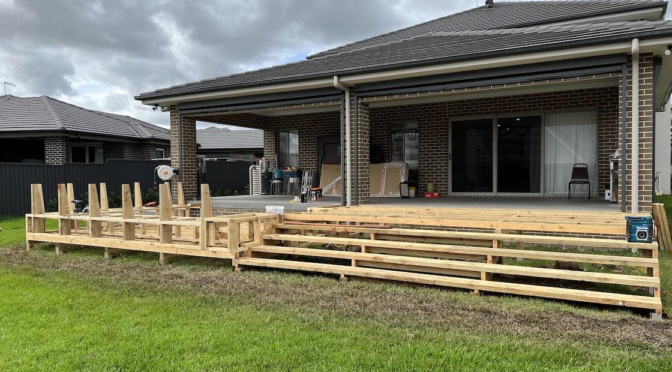
A deck is one of the most rewarding additions you can make to a home, giving you extra living space to relax, entertain, and enjoy Sydney’s outdoor lifestyle. But before the first board goes down, there is an important question every homeowner in Marsden Park should ask, what safety standards actually apply to decking in Marsden Park, and why do they matter so much for a project that looks simple on the surface.
At Austech Landscaping, we work across Marsden Park and the surrounding Sydney suburbs, and we regularly meet homeowners who assume decking is a straightforward job that any builder can handle. In reality, a deck is a structural addition to your home, and it needs to meet specific safety requirements around load capacity, height, materials, and construction method. This guide breaks down exactly what those standards involve and why working with experienced deck contractors near me searches often point local homeowners toward matters just as much as the design itself.
Why Decking Safety Standards Exist
Decks might look like simple timber platforms, but they carry real structural loads, including furniture, foot traffic, and sometimes spas or outdoor kitchens. Without proper engineering and construction, a deck can develop weak points that are not visible until something fails, often at the worst possible moment.
Safety standards for decking in Australia are designed to prevent exactly this kind of failure. They cover everything from the strength of footings and bearers through to the height and spacing of balustrades, ensuring a finished deck can safely support the loads it is designed for over many years of use.
The Risk of Non Compliant Decking
A deck that skips proper footings, uses undersized timber, or ignores balustrade height requirements might look fine for the first year or two. Over time, movement in the ground, moisture exposure, and repeated loading can expose these shortcuts, leading to sagging boards, loose railings, or in serious cases, structural collapse.
How Standards Protect Property Value
Beyond physical safety, compliant decking also protects your investment. A deck built to proper standards is far less likely to need costly rework, and it gives future buyers, building inspectors, and insurers confidence that the structure was completed correctly the first time.
Key Safety Requirements for Decking in Marsden Park
Marsden Park sits within the Blacktown local government area, and decking projects here need to align with the National Construction Code along with relevant Australian Standards for timber and structural design. These requirements apply whether you are building a small ground level deck or a raised entertaining area.
The table below summarises some of the core safety areas that apply to most residential decking in Marsden Park and how they typically get addressed on site.
| Safety Area | Requirement Focus | Why It Matters |
| Footings and posts | Adequate depth and bearing capacity for soil type | Prevents movement, sinking, and structural failure |
| Bearers and joists | Correctly sized for span and load | Stops sagging and bounce underfoot |
| Balustrades and handrails | Minimum height and gap spacing where required | Prevents falls, especially for raised decks |
| Timber treatment | Weather and termite resistant materials | Extends deck lifespan in Sydney’s climate |
| Fixings and connections | Corrosion resistant bolts, brackets, and fasteners | Maintains structural integrity over time |
| Council approval | Development approval where height or size triggers it | Ensures legal compliance and inspection sign off |
Footings, Posts, and Structural Foundations
Everything a deck carries ultimately rests on its footings, which is why they are one of the most heavily regulated parts of the build. In Marsden Park’s clay rich soils, footings need to be dug to an appropriate depth and sized correctly to prevent movement as the ground expands and contracts with moisture changes throughout the year.
Bearers, Joists, and Load Bearing Timber
Once footings are in place, the bearers and joists distribute weight evenly across the structure. These components need to be sized according to the span between supports and the expected load, since undersized timber is one of the most common causes of bouncy or sagging decks over time.
Balustrades, Handrails, and Fall Prevention
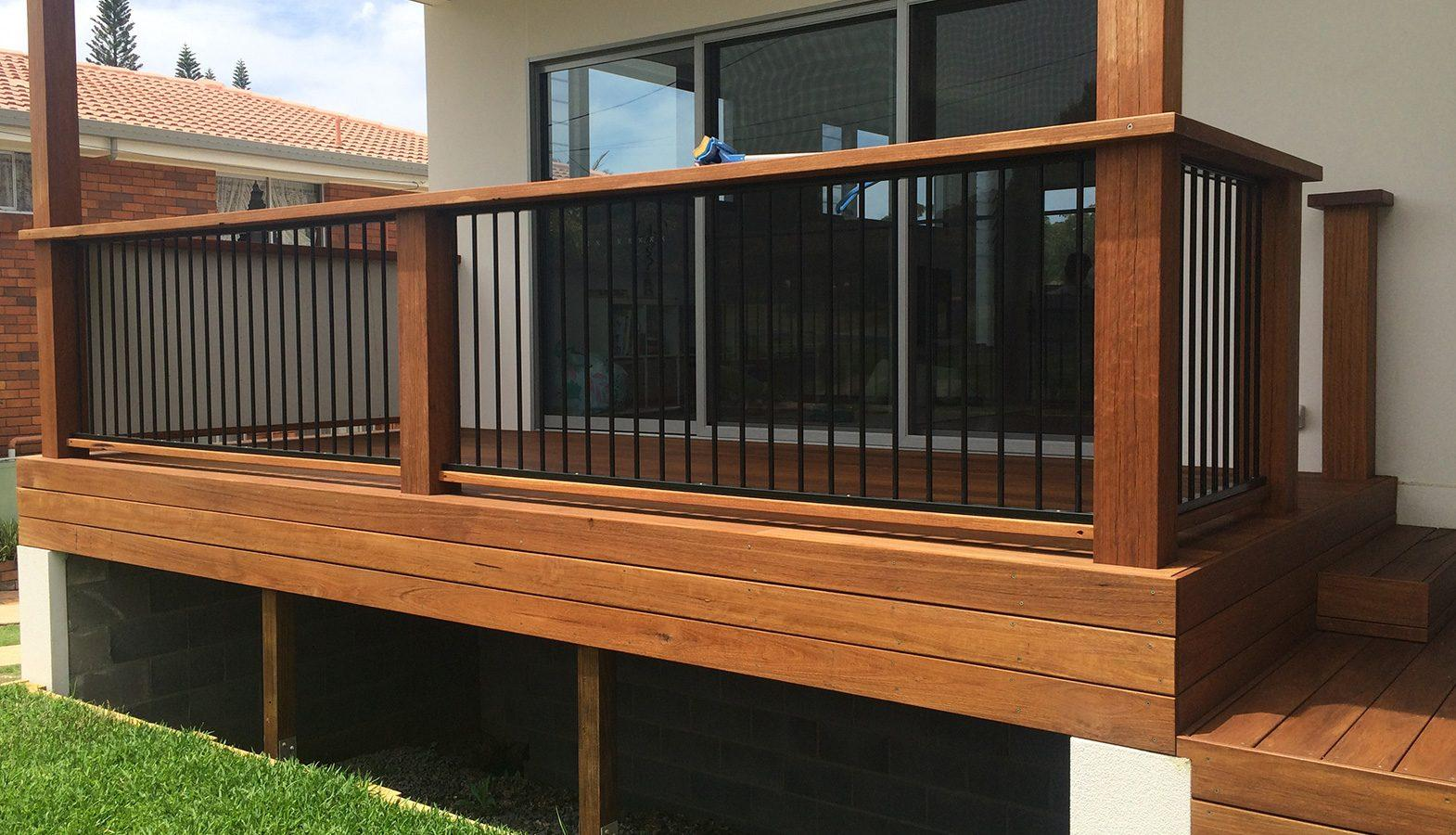
Any deck built above a certain height typically requires a balustrade or handrail system, and this is one area where compliance genuinely protects lives, particularly around children and elderly family members. Getting the height, gap spacing, and fixing method right is not optional on raised structures.
Handrail requirements also extend to stairs leading up to a deck, where consistent step height and secure handrail fixing help prevent trips and falls, especially in low light or wet conditions common during Sydney’s rainier months.
Minimum Height and Gap Requirements
Balustrades generally need to reach a minimum height above the deck surface, with gaps between balusters kept narrow enough to prevent a small child from squeezing through or climbing. These measurements are not arbitrary, they are based on documented data around fall prevention for elevated structures.
Stair and Access Compliance
Stairs connecting a deck to the ground need consistent rise and run measurements, along with secure handrails on any flight above a certain number of steps. Inconsistent stair dimensions are a leading cause of trips, which is why this detail deserves the same attention as the deck structure itself.
Choosing the Right Materials for Marsden Park’s Climate
Sydney’s weather swings between humid summers and wetter winter periods, and Marsden Park’s inland location means decks are exposed to both heat and moisture throughout the year. Material choice plays a major role in how well a deck holds up structurally and how safe it remains as it ages.
Timber that has not been properly treated for weather and termite resistance can degrade faster than expected, weakening fixings and structural members well before the deck reaches the end of its intended lifespan.
- Treated hardwood or engineered timber suited to outdoor exposure
- Corrosion resistant fixings rated for external use
- Termite resistant framing materials or protective barriers
- Slip resistant decking boards for wet weather safety
- Proper spacing between boards for drainage and airflow
Weatherproofing and Long Term Durability
Sealing and finishing timber correctly helps prevent moisture absorption, which in turn reduces the risk of rot, warping, and fastener corrosion. Reapplying protective coatings periodically is a simple maintenance step that keeps a compliant deck performing safely for years.
Termite Protection for Sydney Homes
Termites are a genuine risk for timber structures across Western Sydney, and decking standards often require termite management systems, particularly where timber is in contact with the ground. Addressing this at the construction stage is far more effective than dealing with damage after the fact.
When Council Approval Is Required
Not every deck needs formal council approval, but many do, particularly those built above a certain height or attached directly to the home. Understanding whether your project falls into this category before construction begins can save significant time and avoid compliance issues later.
Blacktown Council, which covers Marsden Park, has specific guidelines around deck height, boundary setbacks, and structural requirements. Experienced deck installation in Marsden Park teams generally handle this assessment as part of the initial planning stage, so homeowners are not left navigating council requirements alone.
Height and Boundary Triggers
Decks attached to a dwelling above a certain height, or those built close to a boundary, often require development approval or a complying development certificate. Ground level decks with minimal height may fall under exempt development, but this still needs to be confirmed against current planning controls.
Working With Approved Plans
Where approval is required, having a properly drawn set of plans that reflects the safety standards discussed above makes the assessment process considerably smoother, since inspectors are checking that construction matches what was approved.
Why Professional Deck Installation in Marsden Park Matters
DIY decking projects can be tempting, especially for smaller, ground level structures, but the safety requirements around footings, load bearing timber, and balustrades are easy to get wrong without the right experience. A professional team understands not just how to build a deck, but how to build one that will pass inspection and remain safe for the long term.
Working with established deck contractors near me searches typically surface also means access to proper engineering knowledge, correct material sourcing, and a build process that accounts for Marsden Park’s specific soil and climate conditions rather than a generic approach.
The Value of Local Experience
A team with genuine experience across Marsden Park and neighbouring suburbs understands local soil behaviour, common council requirements, and the practical challenges of building in this part of Sydney, all of which reduce the risk of costly mistakes.
Combining Decking With Other Outdoor Upgrades
Many homeowners choose to pair new decking with complementary upgrades such as fencing, retaining walls, or a refreshed driveway, creating a cohesive outdoor space rather than a series of disconnected projects completed over time.
Preparing Your Property for a Safe Deck Build
Before construction begins, a well prepared site makes a genuine difference to both safety and the quality of the finished deck. This often includes clearing existing structures, addressing drainage issues, and ensuring the ground is properly assessed for footing placement.
Site preparation might involve dirt and concrete removal where an old structure is being replaced, or general rubbish removal to clear the way for construction. Skipping this step can lead to complications once building begins, particularly around footing depth and drainage.
- Clearing existing decking, paving, or garden beds from the build area
- Assessing soil conditions and drainage before footings are placed
- Confirming boundary lines and setback requirements
- Removing rubbish and debris to create a clean, safe worksite
Site Assessment Before Construction
A proper site assessment identifies drainage patterns, soil type, and any existing structures that could affect footing placement, giving the build team the information needed to plan a compliant, long lasting deck from the outset.
Coordinating Trades and Timelines
Where a deck project overlaps with other outdoor work, coordinating trades and timelines helps avoid delays and ensures each stage, from site clearing through to final construction, happens in the right order.
Conclusion
Decking safety standards exist to protect the people who use your outdoor space every day, and they touch nearly every part of the build, from footings and load bearing timber through to balustrade height and material selection. For homeowners across Marsden Park, understanding these requirements is the first step toward a deck that looks great and performs safely for years to come. If you are planning a new deck or want to check an existing structure against current standards, Contact us our team will guide you through a safe, compliant build from start to finish.
Frequently Asked Questions
2. What is the minimum height requirement for balustrades?
Balustrades generally need to reach a minimum height above the deck surface once the deck exceeds a certain height off the ground, with gap spacing kept narrow enough to prevent falls, particularly for young children.
3. Why do footings matter so much for decking safety?
Footings support the entire structure, and in Marsden Park's clay rich soil, properly sized and positioned footings prevent movement, sinking, and long term structural problems that can compromise safety.
4. Can I build my own deck without a professional?
Smaller ground level decks may be suitable for a confident DIY builder, but any raised deck involving balustrades, stairs, or structural attachment to the home should be handled by professional deck contractors near me searches usually recommend, due to the safety standards involved.
5. What timber is best suited for decking in Sydney's climate?
Treated hardwood or engineered timber designed for outdoor exposure generally performs best, offering resistance to moisture, warping, and termite damage across Sydney's varied weather conditions.
6. How often should a deck be inspected for safety?
An annual visual inspection checking for loose fixings, timber rot, and balustrade stability is a good habit, with a more thorough professional inspection recommended every few years or after extreme weather events.
7. Does termite protection need to be built into a new deck?
Yes, particularly where timber is in contact with the ground. Termite management systems are often a required part of compliant deck installation in Marsden Park to protect the structure over its lifespan.

